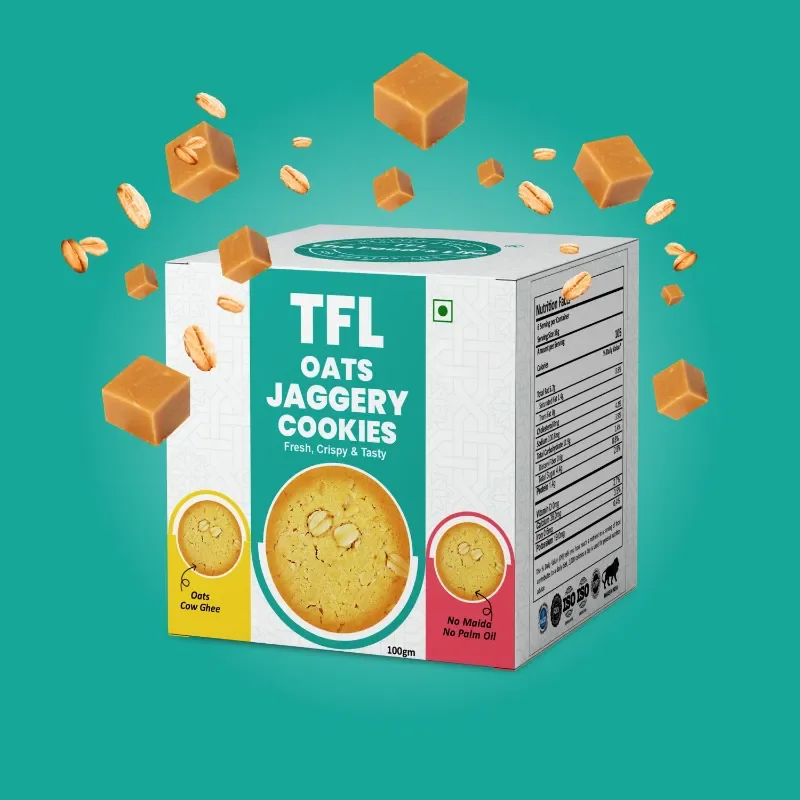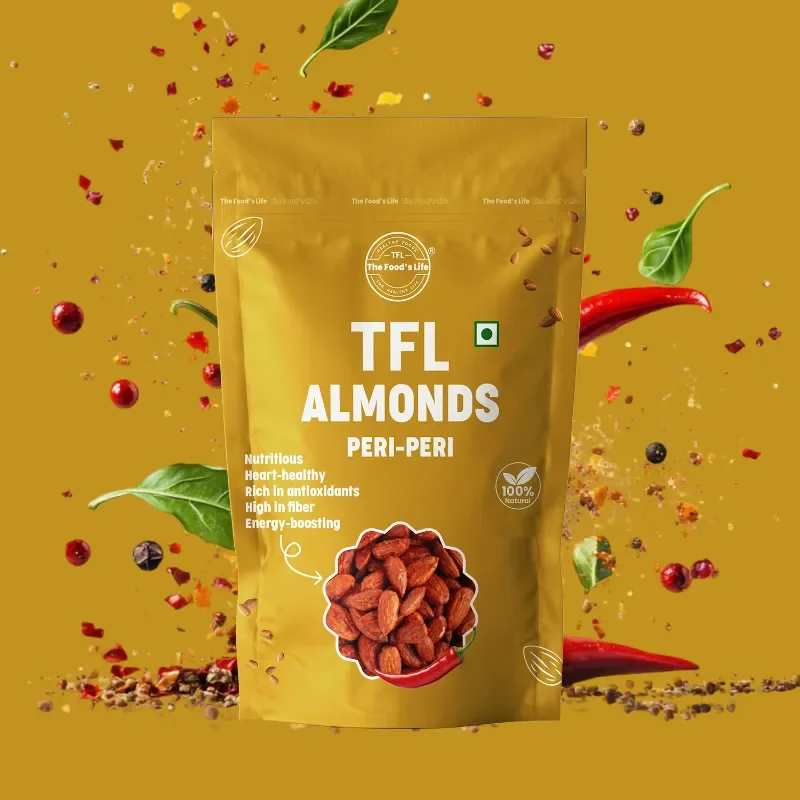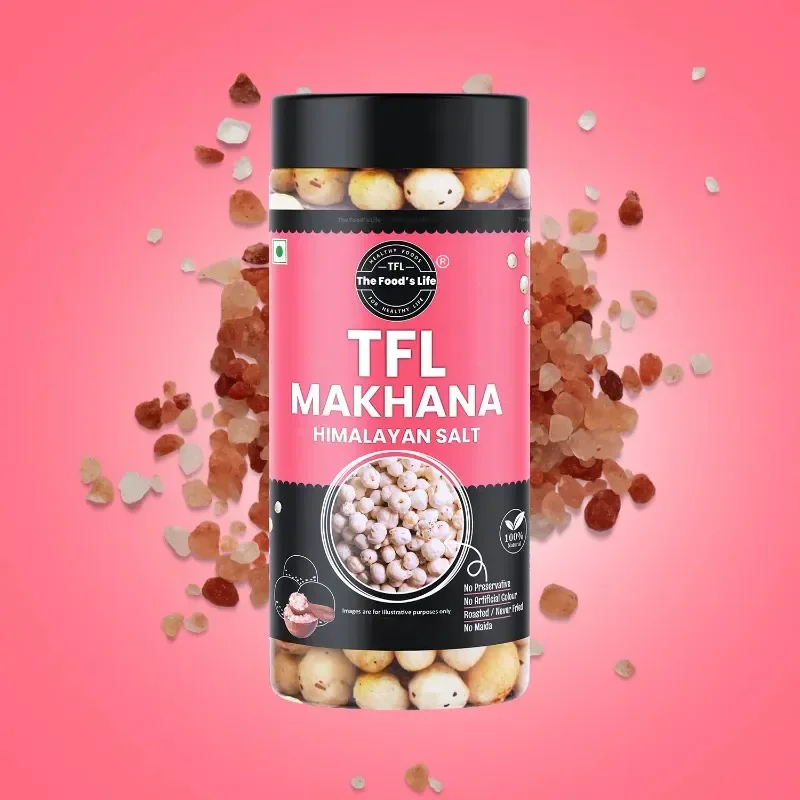
Two packets sit side by side on the shelf. Both say "healthy", both show happy green leaves on the front, and both cost about the same. How do you decide? The answer is on the back of the pack. Learning how to read food labels takes about two minutes, and once you know what to look for, you will never be fooled by a shiny front-of-pack claim again. This guide walks you through every part of a snack label in India, step by step, with real examples from our own range.
Why Reading Food Labels Matters
The front of a pack is designed to sell. Words like "natural", "multigrain" or "lite" sound reassuring, but they rarely tell the full story. The back of the pack is where the facts live.
Front-of-Pack Claims Can Mislead
A biscuit can be called "multigrain" even when refined flour is its main ingredient. A snack can say "no added sugar" and still be high in salt. Claims highlight one good point; the label shows you everything else.
Labels Help You Compare Like for Like
Most packs in India show nutrition values per 100 g. That makes it easy to compare two snacks fairly, even when the pack sizes are different.
Small Choices Add Up
Snacks are something we buy again and again. Picking a better option once may not matter much, but making a slightly smarter choice every week adds up over a year.
Step 1: Read the Ingredient List First
If you only have ten seconds, read the ingredients. They are listed in descending order by weight, so the first two or three ingredients make up most of what you are eating.
Check the First Ingredient
For a khakhra, cookie or chip, the first ingredient tells you what the snack is mostly made of. Whole wheat flour, oats, millets or a named vegetable are good signs. Refined wheat flour (maida) or starch at the top means the snack is mostly refined carbohydrate.
Shorter Is Usually Simpler
A short list of ingredients you recognise is usually a good sign. Our plain Almonds have exactly one ingredient: almonds. Our Oats Jaggery Cookies list whole wheat flour, oat flour, oats, milk, jaggery, cow ghee, butter, salt and baking powder, all familiar kitchen ingredients.
Spot Hidden Sugar and Fat
Sugar and fat can appear under many names. Watch for glucose syrup, invert sugar, maltodextrin, dextrose, liquid glucose, palm oil, palmolein and hydrogenated vegetable fat. If several sugar names appear in one list, the total sugar may be higher than you think.
Step 2: Understand Additive Codes
Many flavoured snacks include additives listed as INS or E numbers. These are standard international codes for approved food additives, not a warning sign by themselves. Knowing a few common ones helps you understand what you are reading.
A Real Example
Our Peri-Peri Almonds list almonds, spices, salt, sugar, maltodextrin and three codes: INS 296, E 631 and INS 170(i). Here is what they mean:
- INS 296 (malic acid): an acid that adds a tangy, fruity sharpness to seasonings.
- E 631 (disodium inosinate): a flavour enhancer that deepens savoury taste in spice blends.
- INS 170(i) (calcium carbonate): used in seasonings to help powders flow and stick evenly.
How to Use This Information
Codes simply tell you what has been added and why. If you prefer fewer additives, choose plain or lightly salted versions, such as plain almonds or Himalayan Salt Makhana, for everyday snacking and keep spicier flavours for occasional treats.
Step 3: Read the Nutrition Information Table
The nutrition table shows energy and key nutrients. Most packs give values per 100 g, and many also show values per serving.
| What you see | What it tells you | What to look for in a snack |
|---|---|---|
| Energy (kcal) | How much energy the food provides | Compare per 100 g between similar snacks |
| Protein | Helps you feel full for longer | Higher is usually better |
| Total fat and saturated fat | Overall fat and the type to limit | Lower saturated fat |
| Trans fat | A type of fat best avoided | As close to zero as possible |
| Total and added sugars | Natural plus added sweetness | Lower added sugar |
| Dietary fibre | Supports digestion and fullness | Higher is usually better |
| Sodium | The salt content in milligrams | Lower, especially for daily snacks |
Per 100 g vs Per Serving
Per 100 g values are best for comparing two products. Per serving values show what you actually eat in one go. Always check what the brand counts as one serving.
Watch the Serving Size
A pack may list a serving as 20 g, but a full pack might hold four or five servings. If you eat the whole packet, multiply the per-serving numbers accordingly. Pouring a small bowl instead of eating from the packet keeps this simple.
Sodium and Salt
Labels usually show sodium rather than salt. Roughly speaking, salt is about two and a half times the sodium figure, so 400 mg of sodium is about 1 g of salt. Health authorities recommend that adults keep total salt intake under 5 g a day, so salty snacks can use up a big share quickly.
Enjoying this read? Get more like it.
Get fresh snack inspiration and updates from our team.
Step 4: Check the Symbols and Dates
Indian food packs carry a few important symbols and details beyond the nutrition table.
Veg and Non-Veg Logo
A green dot inside a green square means the product is vegetarian. A brown triangle inside a brown square means it is non-vegetarian. This is especially useful for families who follow vegetarian or Jain diets.
FSSAI Licence Number
Packaged foods sold in India show the FSSAI logo with a licence number. It tells you the manufacturer or packer is registered with the food regulator.
Best Before and Use By
"Best before" is about quality: the snack is at its best until this date. "Use by" is about safety and is used for more perishable foods. For crunchy snacks, also follow the storage instructions, because once a pack is open, air and moisture affect freshness. Our guide on how to store dry fruits and nuts has simple tips.
Allergen Information
Look for allergen statements such as "contains nuts, milk or wheat" or "may contain traces of". This matters greatly for anyone with a food allergy.
Step 5: Decode Common Front-of-Pack Claims
Once you know the label, front-of-pack words become easier to judge.
- "Baked, not fried": a useful cooking detail, but still check fat and salt. Read our guide on whether baked snacks are really healthier.
- "Multigrain": check whether whole grains are near the top of the ingredient list.
- "No added sugar": no sugar was added, but the food may still contain natural sugars.
- "No maida": confirm by scanning the ingredients for refined wheat flour.
- "High protein" or "high fibre": compare the actual grams per 100 g with similar snacks.
A Quick 30-Second Label Checklist
Save this checklist for your next grocery run:
- Read the first three ingredients.
- Scan for multiple sugar names or hydrogenated fat.
- Compare energy, sugar and sodium per 100 g with a similar pack.
- Check the serving size and how many servings are in the pack.
- Look for the veg logo, FSSAI number, allergens and best before date.
Snack Smarter With The Foods Life
Reading labels is not about fear or perfection. It is about making informed choices that suit your family. Once you know what to look for, picking better snacks becomes quick and easy.
Explore simple, honest snacks such as plain almonds, Methi Khakhra, Rolled Oats and our roasted makhana range, and check every label for yourself. You can browse the full range in our shop.