Somewhere between the 11 am tea and the 4 pm chai, most elderly parents and grandparents in Indian homes reach for the same things: a few Marie biscuits, a bowl of fried namkeen, or whatever mithai is left over from the last festival. It is habit more than hunger, and it is easy to fix. The right healthy snacks for senior citizens are soft enough to chew comfortably, light enough to sit well on an older stomach, and tasty enough that Dadi actually wants to eat them. This guide shares 12 easy Indian ideas, a simple snack timetable for older adults, and the small habits that make snacking safer and more enjoyable after 60.
Why Snacking Changes After 60
Appetite, digestion and even the sense of taste shift with age. A snack plan that worked at 40 often needs a rethink at 70. Understanding what changes makes it much easier to choose well.
Smaller Appetite, Same Nutrient Needs
Many older adults eat less at main meals, either because they feel full quickly or because large plates feel like a chore. That is exactly why snacks matter more in later life, not less. Two or three small, nutrient-dense snacks spread through the day can quietly top up protein, fibre, calcium and energy that a smaller lunch and dinner might miss.
Chewing and Swallowing Need More Care
Dentures, sensitive gums and missing teeth make very hard, sticky or sharp-edged foods uncomfortable. Whole hard nuts, chikki and very crunchy fried snacks are the usual culprits. The good news is that most favourite Indian snacks can be softened, soaked, crushed or swapped without losing their flavour.
Digestion Slows Down
Heavy, oily and very spicy food tends to cause acidity, bloating and discomfort more often in older adults. Roasted, baked or lightly cooked snacks, eaten in small portions, are far gentler. Fibre from oats, fruit, dal and whole grains also helps keep digestion regular.
Thirst Signals Get Weaker
Older people often do not feel thirsty even when they need fluids. Pairing snacks with a glass of water, chaas, nimbu pani or a warm drink is a simple way to build hydration into the day.
What Makes a Good Snack for Elderly Parents?
You do not need special "senior" products. A good snack for older adults usually ticks most of these boxes:
- Easy to chew: soft, soaked, crushed or thin and crisp rather than hard and chunky.
- Light on the stomach: roasted or baked instead of deep-fried, and mildly spiced.
- Some protein or calcium: curd, milk, dal, paneer, nuts and makhana help maintain strength.
- Fibre-rich: oats, fruit, vegetables, whole wheat and millets support digestion.
- Low on added sugar and salt: useful for everyone, and especially important if blood pressure or blood sugar is a concern.
- Small and frequent: a katori or a few pieces at a time, rather than one big plate.
12 Healthy Snacks for Senior Citizens: Easy Indian Ideas
These ideas use ingredients already in most Indian kitchens. Several are ready to eat from the pantry; the rest take five to ten minutes. Adjust spice, salt and sweetness to your parents' taste and health advice.
1. Roasted Makhana, Lightly Seasoned
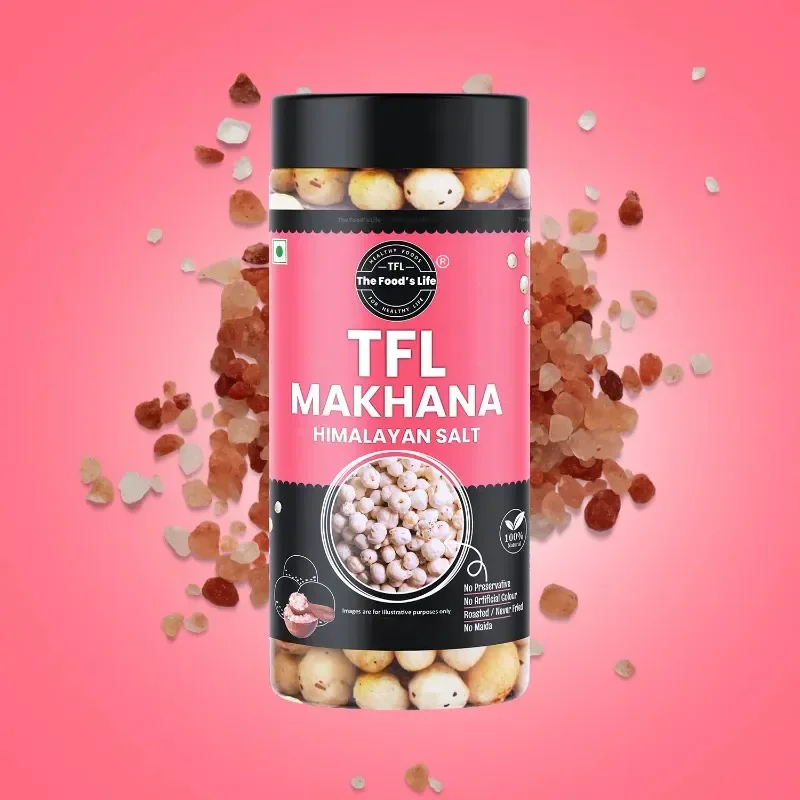
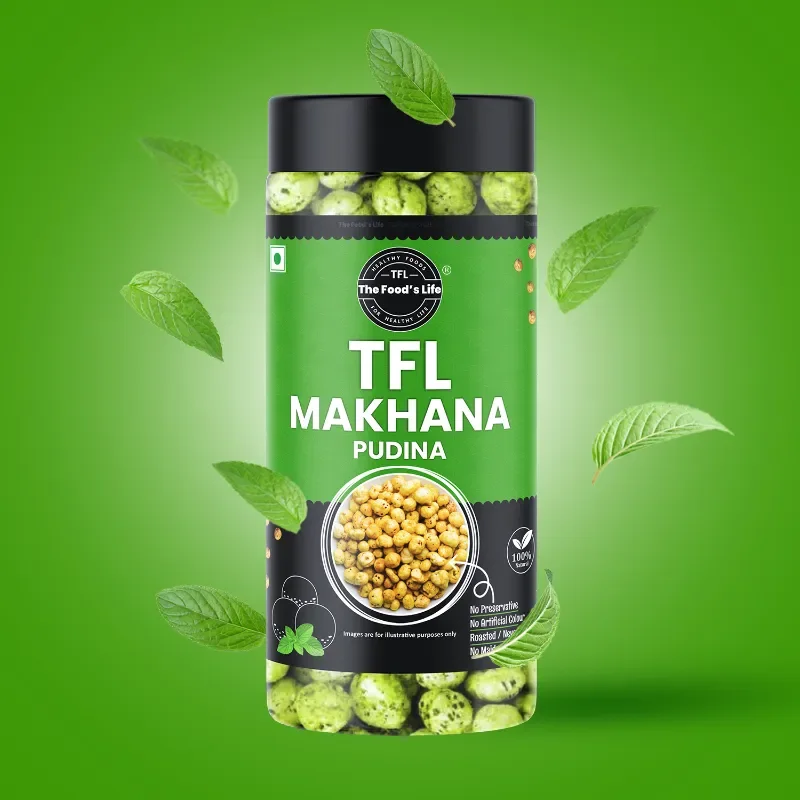
Makhana (fox nuts) is one of the most senior-friendly snacks there is. It is light, crisp but not hard, easy on dentures, and satisfying in small amounts. A mild flavour such as Himalayan Salt Makhana or Pudina Makhana suits most older palates. For parents who find even roasted makhana slightly firm, warm it for a minute in a dry pan or add it to a bowl of milk for a few minutes to soften. Learn more in our guide to the benefits of makhana.
2. Soaked Almonds
Soaking almonds overnight softens them and makes them easier to chew and digest, which is why it has long been the traditional way to serve nuts to grandparents. Peel and serve four or five soaked almonds in the morning, or chop them finely over curd or kheer for anyone who struggles with whole nuts.
3. Khakhra with Curd
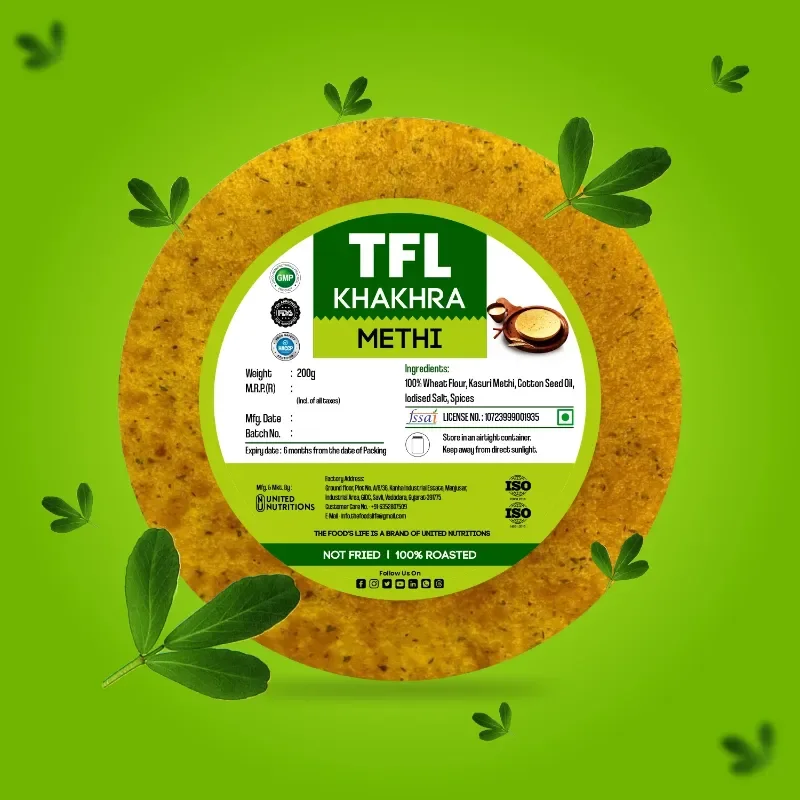
Khakhra is thin and crisp, so it breaks easily and does not need the hard bite that namkeen or chikki demands. One or two pieces of Methi Khakhra or Plain Khakhra with a spoonful of fresh curd makes a comforting, light snack. For a softer version, break the khakhra into pieces, pour a little curd or milk over it and let it sit for a couple of minutes.
4. Warm Oats Porridge or Dalia
A small bowl of rolled oats cooked in milk with a pinch of cardamom and a mashed banana is soft, filling and easy to digest, which makes it ideal for an afternoon or bedtime snack. Savoury versions with grated carrot, peas and a little jeera work well too. Our article on high fibre oats explains why oats are a good everyday choice.
5. Curd with a Spoon of Granola or Fruit
Plain curd gives protein and calcium, and a spoon or two of Dryfruit Granola adds a little crunch and natural sweetness. Let the granola soak in the curd for a few minutes if a softer texture is needed, or swap it for chopped seasonal fruit.
6. Soft Seasonal Fruit
Ripe bananas, papaya, chikoo, peeled apples, oranges and mangoes in season are naturally soft and need little preparation. Cut fruit into small pieces, remove peel and seeds, and serve a small bowl. A sprinkle of black salt or a few drops of lemon makes it more appealing for those who find plain fruit boring.
7. Moong Dal Chilla or Soft Dhokla
A thin moong dal chilla cooked with very little oil gives plant protein in a soft, foldable form. Steamed dhokla is another gentle option that older adults usually enjoy. Both are good when your parents want "something proper" at tea time rather than a packaged snack.
8. Steamed or Roasted Sweet Potato
Boiled or roasted shakarkandi is naturally sweet, soft and high in fibre. Mash it with a little ghee and a pinch of cinnamon for a dessert-like snack, or cube it and toss with lemon and chaat masala.
9. Ragi or Bajra Porridge
Millets are a traditional part of many Indian diets and are familiar to most grandparents. A thin ragi malt or bajra raab, lightly sweetened with jaggery, is warming, easy to swallow and good for cold evenings. Keep the jaggery small if sugar is a concern.
10. Oats Jaggery Cookies with Warm Milk
When only something sweet will do, one Oats Jaggery Cookie dipped in warm milk is a better swap than cream biscuits or packaged mithai. Dipping also softens the cookie, which makes it easier to chew. Jaggery is still a sweetener, so keep it to one or two.
11. Vegetable Soup with a Khakhra Side
A cup of tomato, mixed vegetable, moong or palak soup is light, hydrating and comforting, especially in winter. Serve it with a piece of Jeera Khakhra instead of fried croutons or bread.
12. Paneer or Chana Chaat, Lightly Spiced
Soft paneer cubes or well-cooked kala chana tossed with finely chopped tomato, cucumber, coriander and lemon make a filling, protein-rich snack. Mash the chana slightly if chewing is difficult, and keep the chilli low.
Senior-Friendly Snacks at a Glance
Use this table to match a snack with what your parents need that day.
| Need | Try this | Easy portion |
|---|---|---|
| Easy to chew | Soaked almonds, warm oats, soft fruit, dhokla | 4–5 almonds or 1 small bowl |
| More protein | Curd with granola, moong chilla, paneer chaat | 1 small bowl or 1 chilla |
| Something crunchy | Roasted makhana, khakhra with curd | 1 small katori or 1–2 pieces |
| Something sweet | Oats jaggery cookie with milk, mashed sweet potato, fruit | 1 cookie or 1 small bowl |
| Something warm | Soup, ragi porridge, dalia | 1 cup or 1 small bowl |
| Light bedtime snack | Warm milk, banana, mild makhana | 1 glass or a few pieces |
Enjoying this read? Get more like it.
Get fresh snack inspiration and updates from our team.
A Simple Daily Snack Routine for Older Adults
Older adults tend to do better with small, regular meals than with long gaps. Here is a gentle routine you can adapt around your parents' main meals, medicines and sleep schedule.
- Early morning: a glass of warm water, then four or five soaked almonds.
- Mid-morning (around 11 am): a small bowl of fruit, or curd with a spoon of granola.
- Evening tea (4–5 pm): a katori of roasted makhana, or one khakhra with curd and a cup of chai.
- Before bed (if hungry): warm milk, a small bowl of oats porridge or a banana.
- All day: water, chaas, coconut water or herbal tea within easy reach.
If your parents take medicines with food, check with their doctor which snacks and timings work best, and keep a consistent routine so nothing gets missed.
Snacks to Limit for Elderly Parents
None of these need to be banned, but they are best kept occasional and small.
- Hard chikki, gajak and whole hard nuts: tough on dentures and gums. Crush them or soak the nuts instead.
- Deep-fried namkeen, bhujia and pakoras: oily and heavy, and often very high in salt. Roasted makhana, khakhra or baked snacks give the same crunch with less oil.
- Cream biscuits and packaged cakes: mostly refined flour and sugar. An oats cookie or a piece of fruit is a better regular choice.
- Very spicy chaat and pickles: can trigger acidity. Keep chilli and sour levels mild.
- Sticky sweets like chikki and toffees: can stick to dentures and are hard to clear. Serve soft sweets in small pieces instead.
- Large portions of dry fruit: nutritious, but calorie-dense and hard to chew in quantity. A small handful, soaked or chopped, is plenty.
Practical Tips for Snacking Safely After 60
Serve Small Portions, More Often
A heaped plate can feel overwhelming to someone with a small appetite. A katori or a saucer with a few pieces is more likely to get finished, and it is easier to add a second serving than to waste a first.
Soften, Soak, Chop, Mash
Almost any snack can be made senior-friendly with one of these four steps. Soak nuts and dry fruit, dip cookies and khakhra in milk or curd, chop fruit small, and mash sweet potato, banana or chana when needed.
Keep Flavours Mild but Not Bland
Taste buds become less sensitive with age, so food can seem dull, which tempts people towards very salty or very sweet snacks. Use herbs and gentle spices like jeera, ajwain, cardamom, cinnamon, lemon and fresh coriander to add flavour without extra salt or sugar.
Pair Every Snack with a Drink
Water, chaas, nimbu pani, soup or a warm cup of milk alongside each snack helps with swallowing and keeps fluids up through the day.
Keep Snacks Where They Are Easy to Reach
Store makhana, khakhra and soaked nuts in small, easy-open containers on a low shelf or the dining table. Heavy jars and tight lids are a quiet reason many older people skip snacks altogether. Our guide on how to store dry fruits and nuts has more on keeping everything fresh.
Eat Together When You Can
Snacks disappear faster, and happier, when they are shared. A shared cup of chai with a bowl of makhana is as much about company as it is about nutrition.
Snacking with Common Health Conditions
Many older adults manage diabetes, high blood pressure or cholesterol. The ideas above are generally light and low in added sugar, but a few adjustments help.
- Diabetes: favour snacks that pair fibre or protein with any carbohydrate, such as curd with fruit or makhana with chaas, and keep jaggery and sweet fruit portions small. See our guide to healthy snacks for diabetics.
- High blood pressure: choose lightly salted or unsalted makhana and nuts, and go easy on pickles, papad and namkeen.
- High cholesterol: keep fried snacks occasional, and lean on oats, fruit, nuts and dal-based snacks.
- Swallowing difficulties: stick to soft, moist foods like porridge, curd, mashed fruit and soup, and ask a doctor or dietitian for specific guidance.
Always follow the advice of your parents' doctor or dietitian, especially where medicines or specific conditions are involved.
Stock a Senior-Friendly Snack Shelf with The Foods Life
Healthy snacks for senior citizens are not about strict rules. They are about keeping soft, light, nourishing options close at hand so the easy choice is also the good one. A katori of roasted makhana, a few soaked almonds, a khakhra with curd or a warm bowl of oats can carry your parents comfortably from one meal to the next, with far less salt, sugar and oil than biscuits and fried namkeen.
Build a snack shelf for the elders in your home with mildly flavoured roasted makhana, almonds, khakhra and rolled oats from The Foods Life, or browse the full healthy snacks range. Looking for ideas for the whole family's tea time? Read our guide to healthy evening snacks.
This article is for general information only. For older adults with medical conditions, swallowing difficulties, allergies or specific dietary needs, please follow the advice of a doctor or registered dietitian.