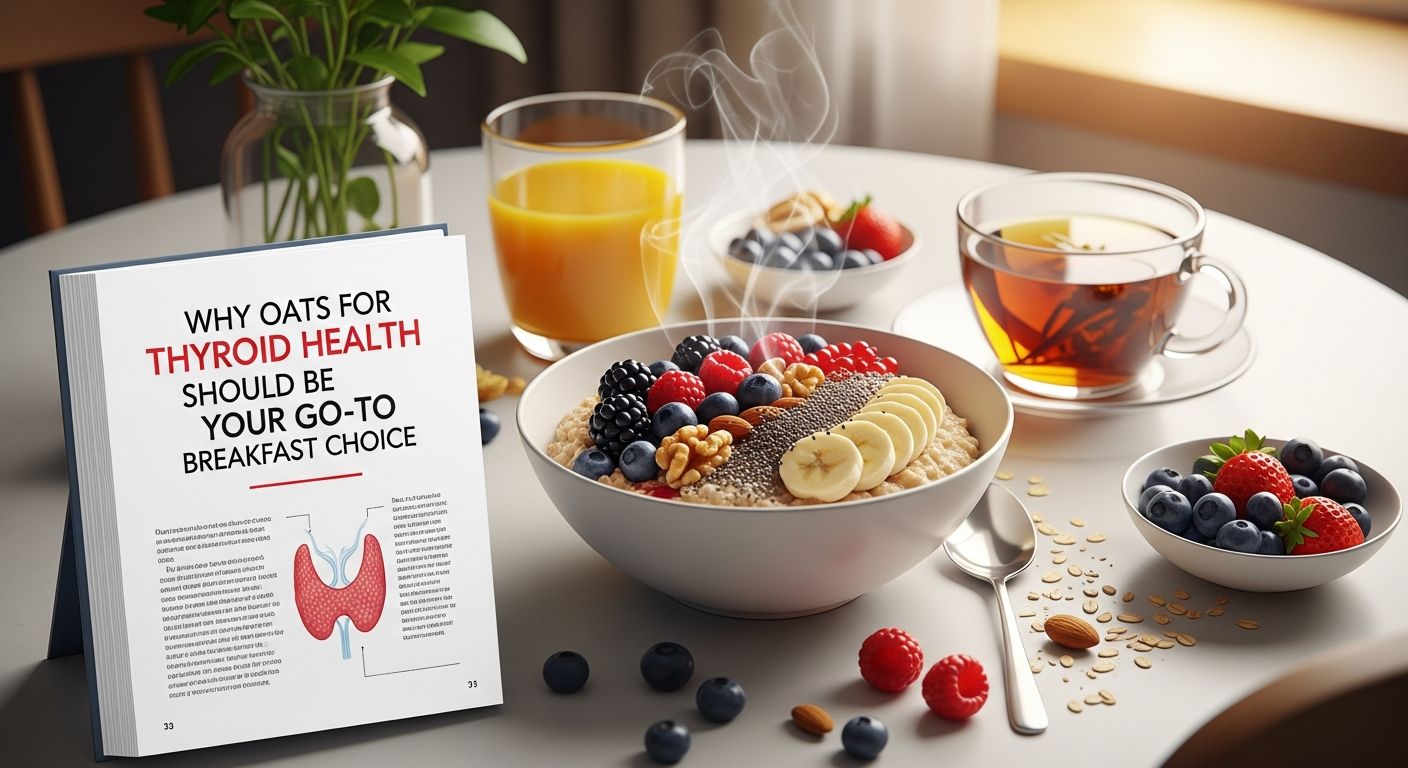
When you think about breakfast foods, consider oats. Oats are whole grains that have been used for centuries by many cultures around the world as a food source to promote good health and well-being. Oats contain many nutrients that help our bodies maintain optimal vitality and energy levels. They have a high fiber content, and this makes it very easy to digest. High-fiber foods can be beneficial in regulating digestion and maintaining steady energy levels and metabolic balance in those who suffer from hypothyroidism and hyperthyroidism.
Oats provide plant-based protein, dietary fiber, and essential vitamins and minerals (i.e., B vitamins) that are vital in regulating metabolism and maintaining energy balance. The combination of all these nutrients found in oats, when eaten in the appropriate amount and in the right way, can help to keep people who are taking medication for thyroid disease to gain control over their disease and achieve optimal vitality.
Because oats are highly digestible and release energy slowly into the bloodstream, it helps to avoid the "crash" feeling that many people with hyperthyroidism experience after they have eaten something. The potential to support healthy weight loss is another reason why people with thyroid imbalance should consider eating oats.
Whether it be hot cooked oatmeal, overnight oatmeal, savory oats pancakes or soup, oatmeal can provide comfort and satisfaction while supporting long-lasting and sustainable energy levels, making it an excellent choice for anyone looking to improve their thyroid health.
Understanding the Link Between Oats and Thyroid Health
Diet has a direct impact on the way the thyroid gland works; the selection of food is therefore essential in managing and controlling the symptoms associated with thyroid function. Oats can be beneficial for thyroid function because they contain complex carbohydrates that provide a source of energy over time, provide good sources of dietary fiber which support digestion, and help balance hormone levels in the body. As such, oats can be used as part of a healthy diet for people with thyroid problems when they are consumed in moderation and when prepared properly.
Fortunately, many people who are wondering if oat products are helpful to those with thyroid disorders will find that they are beneficial due to their nutrient content and the fact that they are low on the glycemic index.
What Is the Role of Diet in Thyroid Health?
The thyroid is responsible for regulating our metabolism, energy level, and producing many of the hormones that we need to function. The diet we eat plays a key role in determining if our thyroid works optimally or not.
Why can a good dietary pattern have an impact on thyroid health?
- Provides nutrients necessary for producing hormones and converting them
- Aid with weight management and metabolic function
- Reduce feelings of tiredness and avoid "crashing out" when you run out of energy.
- Improve intestinal health, which assists with hormone balance.
Oat-based products are whole food sources that help keep blood sugar stable, create sustained energy, and can be a healthy option for our meals.
Key Nutrients in Oats That Benefit the Thyroid
Within the food we consume on a regular basis are many substances that can indirectly improve the function and health of our thyroids, and oats are a wonderful source of these nutrients.
Thyroid-supportive Nutrients Found In Oats
- Fiber: It is known as a prebiotic food and supports gut health and digestion
- Complex Carbohydrates: Provided long-lasting energy
- Magnesium: Assisting in regulating metabolism and lessening feelings of fatigue or low energy
- B Vitamins: Providing energy to help with stress responses and energy production
- Iron: For transporting oxygen and maintaining metabolic function

How Oats Support Hormonal Balance and Thyroid Function
Hormonal balance, including that of the thyroid, relies on stable blood sugar levels and healthy gut function. Oats offer support for both.
Ways Oats Benefit Thyroid Users:
- Help avoid spikes in blood sugar
- Aid in maintaining a healthy metabolism
- Aid in digestion and nutrient utilization
- Aid in maintaining consistent energy throughout the day
In addition, when consumed in their unprocessed state, plain oats provide the greatest benefit to thyroid users, particularly as a breakfast option.
The Nutritional Power of Oats: What Makes Them Ideal for Thyroid Support?
Oats have strong nutritional potency for thyroid support. Nutrition that is high density, easy to digest, and is a balanced type of food helps support our thyroid health. They are a great option for thyroid patients, due to their ability to provide sustained energy, provide minerals that support our body, and have healthy gut-fiber. Therefore, people often wonder if they should include oats in their diet, as their nutrient balance makes them a great comfort food.
Oats are a less refined form of grain and therefore provide the nutrients for the body without overwhelming the metabolic process, so are a good choice for long term thyroid-friendly dietary choices.
Oats Nutrients for Thyroid Health: Selenium, Fiber, and Vitamins
Thyroid Supporting Nutrients in Oats: Selenium, Fiber, and B Vitamins
Oats have several different nutrients in them that indirectly support thyroid function and overall metabolic health.
Nutritional components in Oats that are important for supporting thyroid health:
- Selenium: Selenium assists with production and conversion of thyroid hormones.
- Dietary Fiber: Fiber promotes healthy digestion and gut health.
- B Vitamins: The B vitamins are utilized for producing energy and managing stress.
- Magnesium: Magnesium assists with metabolism and alleviates fatigue.
- Iron: Iron transports oxygen and contributes to energy levels.

Why Oats Are Ideal for Hypothyroidism
Hypothyroid conditions generally result in fatigue, slow metabolism, overweight, and digestive issues. Eating oats helps alleviate these issues very gently and effectively.
There are a number of ways oats are beneficial for anyone with hypothyroidism:
- Oats give slow energy, so they help combat fatigue.
- Oats can help support a healthy digestive system by preventing constipation.
- Oats can help stabilize blood sugar levels.
- Oats may aid people manage healthy weight.
When consumed as plain oats and in moderation, oats are beneficial for people with thyroid conditions, particularly those with an underactive thyroid.
The Benefits of Eating Oats for Thyroid Function
Eating oats is beneficial for your thyroid because they support consistent energy, good digestion, and balanced blood sugar.
There are many ways in which adding oats helps promote thyroid health:
- They provide a steady stream of energy throughout the day.
- They help to balance hormones.
- They assist in the absorption of nutrients.
- They are easy to digest and can be used in many different meals.
There are many ways to prepare oats for thyroid health, and they are comforting, nutritious, and help maintain a long-term healthy thyroid.
How Oats Help Manage Hypothyroidism Symptoms
Low energy, a sluggish metabolism, weight gain and problems with the digestive system are some of the challenges of hypothyroid patients. The foods that are eaten may have a significant impact on those symptoms; therefore, choosing the appropriate food is very beneficial for those with hypothyroid disease.
One type of food that can benefit hypothyroid patients is oat products, as they are packed with fiber and have a very low glycemic index, which allows for more stable energy levels and positive impact on hormonal balance. In fact, for most hypothyroid people, oat products can be beneficial if prepared in a healthy way and consumed in moderation.
Managing Energy Levels with Oats for Hypothyroidism
Hypothyroidism tends to be correlated with fatigue that is oftentimes hard to handle. A good source of carbohydrates that supply energy for long periods of time is oats. By consuming oats at breakfast, we can reduce the chance of "energy crashes" typically occurring after large intake of simple carbs.
Ways Oats Increase Energy Levels
- Provide Sustained Energy
- Decrease Morning Sleepiness
- Include vitamin B in Support of Metabolism
- Sustain Energy and Mental Clarity All Day Long
Putting these four together, oats provide a great energy source for people suffering from thyroid issues. Incorporating oats first thing in the morning may result in maintaining energy throughout the remainder of the day.
Blood Sugar Control with Oats
Unstable blood sugar levels can lead to increased fatigue and weight gain in people with hypothyroidism. The low glycemic index of oats allows for the maintenance of consistent and stable glucose levels.
Benefits of oats on your blood sugar:
- Slow digestions mean no rapid rises in blood sugar
- Helps improve your body's ability to use insulin
- Reduces cravings for and the feelings of tiredness due to low energy levels
- Assists in maintaining a healthy body weight

The Role of Oats in Reducing Inflammation
Chronic low-level inflammation can hinder thyroid function.Therapeutics in oats are compounds that support healthy digestive systems.
These are:
- Oats are rich in antioxidants such as Avenanthramides
- Oats improve digestive system function, therefore assisting with hormonal balance
- Oats reduce oxidative stress on cells
- Oats support immune system function.
Incorporating oats into daily meals as support for your thyroid can provide better digestion, more even and consistent energy throughout the day and provide overall improved health and wellness.
The Science: Research on Oats and Thyroid Function
Research shows that whole foods support hormones and metabolism. Oats don't cure thyroid disease, but research shows oats have a beneficial effect on thyroid support through their influence on metabolism, inflammation, and blood sugar (glucose) levels. Therefore, many nutritionists recommend including oats in a well-balanced diet for individuals with thyroid issues.
Clinical Studies on Oats and Thyroid Health
Research to support oat consumption solely for thyroid hormones has not been completed yet; however, multiple studies have indicated many of the direct and indirect relationships between oats and related systems that impact thyroid hormone production.
What the studies show:
- Consumption of high-fiber foods or diets promote better metabolic health and regulate hormones more effectively.
- Whole grains and oats promote stable insulin release.
- Healthier Gut Promotes Better/Higher Hormone Absorption and Balance
- Less Inflammation – An important part of an endocrine system that regulates hormones.
Based upon the above information, oats should be included as a food choice for a healthy diet for a healthy thyroid.
How Oats Improve Metabolism and Hormonal Balance
The thyroid hormones are an important component in regulating the metabolism of your body. Foods that provide constant energy and stabilize the blood sugar levels while also helping the bodies' ability to produce energy and maintain constant supply will decrease metabolic stress.
How oats help to support your metabolism:
- Complex carbohydrates provide consistent slow burning energy.
- B Vitamins help the body metabolize energy
- Fiber helps improve insulin sensitivity.
- Stabilized blood sugar levels place less stress on the thyroid hormones that help regulate metabolism.
For this reason, eating oats on a daily basis will benefit people with thyroid issues particularly if you are experiencing fatigue or are experiencing a slow metabolism.

Oats as an Anti-Inflammatory Food for Thyroid Support
Thyroid disorders such as autoimmune diseases are frequently caused by chronic inflammation. Oats are a great source of anti-inflammatory (through their natural antioxidant properties) and anti-oxidative (through their various phytochemicals) compounds that can reduce inflammation and oxidative damage.
Oats' anti-inflammatory effects include:
- Avenanthramides, which contain powerful antioxidants that prevent cellular damage caused by free radicals.
- Fiber, which is able to support a healthy gut microbiome by providing prebiotic benefits to beneficial bacteria.
- Reducing inflammation and therefore supporting thyroid hormone's ability to function properly.
With these advantages, incorporating oats into your diet when consumed in moderation is a scientifically-recommended way to promote and maintain thyroid health.
Tasty Ways to Incorporate Oats Into a Thyroid-Friendly Diet
A healthy diet for your thyroid shouldn't be limited or uninteresting. There are many ways to prepare and serve oats to promote thyroid health while also being comfort foods, and these also allow you to include oats regularly in your meal plan.
Prepared in the way that is best for you and with the correct proportions, oats are an excellent source of sustained energy; help with digestion; and fit very well into an eating plan to support your thyroid. That is why most nutritionists recommend eating oats when you are managing your thyroid, as long as they are eaten with consideration.
Healthy Oatmeal Recipes for Thyroid Health
Cooking oatmeal with any type of milk and/or water is an easy and healthy way to incorporate oat into your diet when you have hypothyroidism, as this type of warm breakfast is gentle on the stomach.
Thyroid-Friendly Oatmeal Suggestions:
- Make oatmeal with just plain water or fat-free, unsweetened plant-based "[milk][1]".
- Use fruits like berries or apples as a source of natural sweetness.
- Add seeds, such as chia or flax seeds, for added nutrients.
- Flavour with spices, such as cinnamon or cardamom, rather than sugar.
Oatmeal Benefits:
- Gives you consistent energy throughout your morning.
- Gentle on your digestive tract.
- Avoids energy dips.
This means that oatmeal can be a good, dependable source of carbohydrates for breakfast, if you need to eat oats for thyroid health.
Overnight Oats for Thyroid Patients
If you suffer from an underactive or overactive thyroid, soaked oats may be easier for your body to digest than plain old oats. This could be an important factor to consider, as many people with thyroid problems experience digestive issues as the result of their condition. That's why people with thyroid issues may want to consider incorporating soaked oats into their meal plan.

Many people will find that overnight oats are an excellent choice for busy mornings, as they allow you to prepare a healthy breakfast easily and quickly.
Savory Oats and Meal Ideas for Thyroid Health
Savory recipes using oats can be helpful for thyroid health as well as many other meals.
Savory recipes using oats:
- Vegetable Oats Porridge
- Vegetable Upma made with oats
- Oat Khichdi made using lentils and oats
- Add oatmeal to soups for thickening the soup.

Tasty Ways to Incorporate Oats Into a Thyroid-Friendly Diet
However, eating for healthy thyroid support can also be a pleasurable experience.
Including oats in the daily menu is simple due to the fact that they are versatile, are easy to digest, and supply a slow release of steady energy over time.
When oats are prepared with proper ingredients and portion sizes, they are perfectly suited for a thyroid-support diet, and widely thought to be "good for your thyroid" by many.
Oats can be made into delicious breakfast items, but can also be made into hearty savory dishes and can be incorporated into any person's daily meal schedule.
Healthy Oatmeal Recipes for Thyroid Health
Oatmeal is often chosen to support the diet for those with hypothyroidism as it is one of the more popular and well-known ways to use oats for nutritional benefit as part of a thyroid-supportive diet.
Thyroid Supportive Oatmeal Must Includes :
- Cooking Oats in water or unsweetened plant-based milk
- Add fruit, such as blueberries, apple and pear, for naturally occurring sweetness.
- Add Seeds such as flaxseed or chia for added source of Fibre.
- Use spices, such as cinnamon, cardamom and vanilla, to flavour oatmeal instead of sugar.
Thyroid Supportive Oatmeal is a Great Source of:
- Long-lasting Energy
- Reduction of Fatigue
- Support of Healthy Digestion & Gut Health
The above attributes make Oatmeal an excellent breakfast option to have within the context of eating Oats to Support Thyroid Function.
Overnight Oats for Thyroid Patients
Overnight oats are fermented by soaking oats to help them digest more easily (this is great for those that may have had trouble with the digestion of raw or dried oats). So overnight oats will provide a gentle way to consume whole grains.
Some of the advantages of overnight oats are:
- Better absorption of nutrients
- Gentle on the digestive tract
- Quick and simple for those busy mornings
- Will maintain steady glucose levels in the blood
Some of the simplest overnight oats have these combinations:
- Oats + Yogurt + Berries
- Oats + Almond Milk + Chia Seeds
- Oats + Grated Apple + Cinnamon
These combinations of oats are a great example of how to prepare oats for thyroid patients.
Savory Oats and Meal Ideas for Thyroid Health
You can enjoy savory oat meals for good thyroid health. Many savory dishes use oats successfully alongside much other nutritious food.
- Vegetable Porridge
- Oats with Mixed Vegetables (Upma)
- Oats with Lentils (Khichdi)
- Add Oats to any Soup or Stew for a Thickening Agent

FAQs
Q1. How do oats help with hypothyroidism?
Oats help manage hypothyroidism by providing steady energy, supporting digestion, and keeping blood sugar levels stable.
Q2. Are oats good for thyroid patients every day?
Yes, oats are good for thyroid patients when eaten daily in moderate portions as part of a balanced diet.
Q3. Can oats boost thyroid function?
Oats don’t directly boost thyroid hormone levels, but they support overall metabolism and hormonal balance.
Q4. Are rolled oats better than instant oats for thyroid health?
Yes, rolled oats are better than instant oats because they are less processed and have a lower impact on blood sugar.
Q5. How do oats affect blood sugar in thyroid patients?
Oats help regulate blood sugar by releasing glucose slowly, preventing spikes and energy crashes.
Conclusion: Start Enjoying the Benefits of Oats for Optimal Thyroid Health Today!
Thyroid Support Starts with Thoughtful, Consistent, Everyday Foods and Start with Oats for Thyroid Support! Oats are the easiest And most effective Entry Point for Supporting Your Thyroid Health! Oats are Full of Fibre, Complex Carbohydrates, and Essential Nutrients. Oats Provide You with Stable, Sustained Energy, Support Digestion, and Help Achieve Hormonal Balance, All of Which Are Very Important for People Who Suffer From Hypothyroidism (Thyroid Dysfunction) And For People Who Experience Chronic Fatigue Other Daily.
When You Choose Whole Oats (i.e., Least Processed Oats) And Consume Them In Appropriate Portions, You Are Providing Your Body with Valuable Nutrients, Which Improves Your Overall Thyroid Health! Oats Can Be Enjoyed Hot (Oatmeal), Cold (Overnight Oats), And Savoury (Nourishing Sabzi) As Part Of A Balanced Diet—All Of Which Stabilise Blood Sugar Levels And Reduce Metabolic Stress Featuring Positive Effects On Thyroid Health.
Incorporating Oats Into Your Daily Food Plan Will Provide You with A Nutritious, Satisfying, And Easy-To-Maintain Habit That Ultimately Contributes To Improved Energy, Digestion And A More Well-Rounded Lifestyle—Helping You Naturally And Confidently Care For Your Thyroid Health!








 +91 63528 07509
 sales@thefoodslife.com
 225, Orchid Plaza, Sama-Savli Rd, behind McDonald's, Vemali, Vadodara, Gujarat 390008